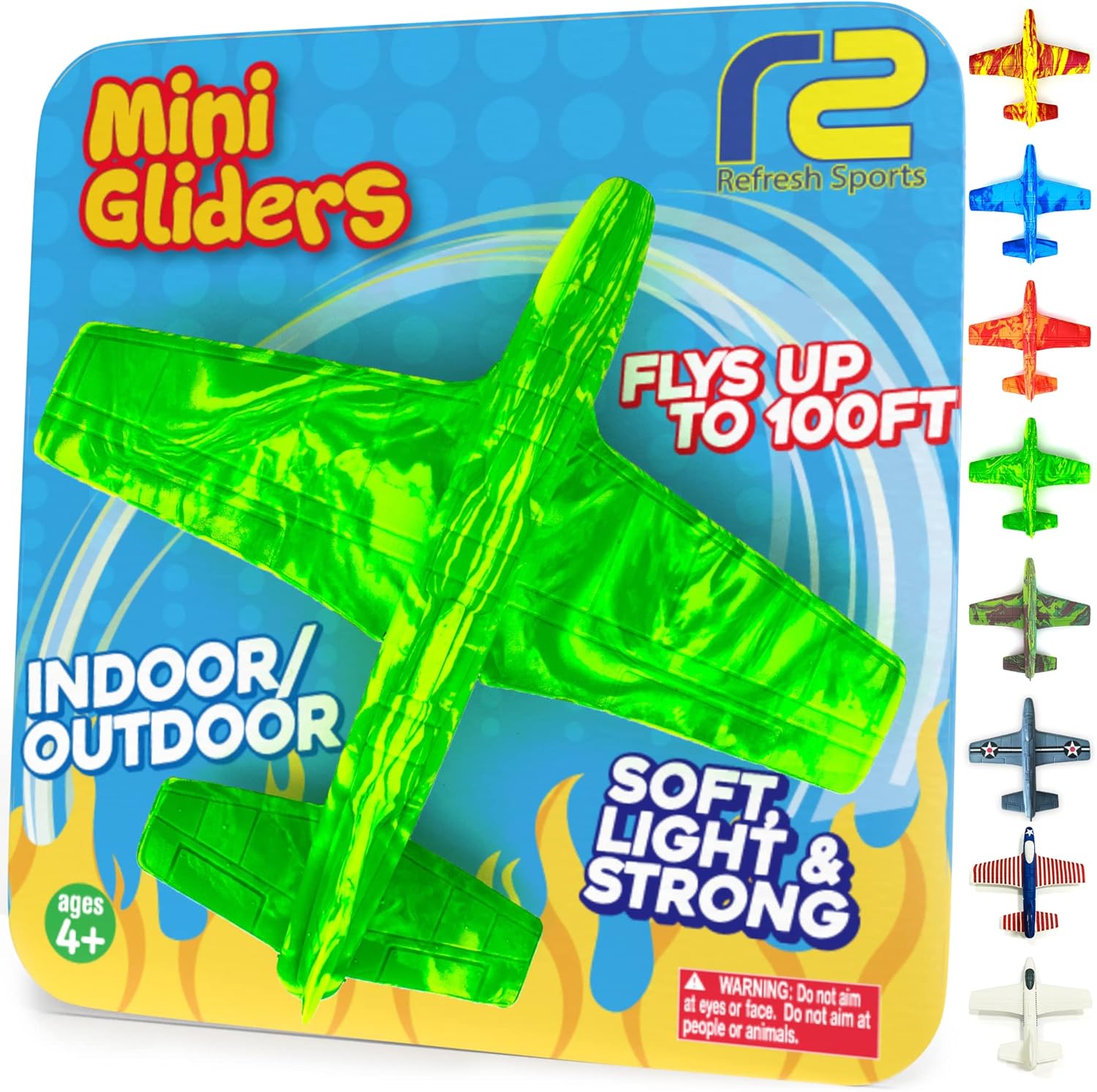
Discover the fascinating world of toy foam glider airplanes with this comprehensive guide, designed to explore their innovative designs, flight mechanics, and practical tips for optimal performance. Whether you’re a beginner or a seasoned enthusiast, gain valuable insights into how these lightweight aircraft soar through the air and learn expert strategies to enhance your flying experience. Dive into this detailed exploration and unlock the full potential of your foam glider adventures.

Introduction to Toy Foam Glider Airplanes
Toy foam glider airplanes have become a beloved pastime for hobbyists and beginners alike, offering an accessible entry point into the world of aerodynamics and flight. These lightweight aircraft are crafted from various types of foam, making them easy to handle, safe, and highly customizable. Their popularity stems from their affordability and the sheer joy of watching a well-designed foam glider soar through the air.
Choosing a toy foam glider airplane provides numerous benefits. Their lightweight nature allows for longer flight times and easier launching, while their simple construction makes them ideal for beginners eager to learn about flight mechanics. Additionally, the ease of assembly and low cost make foam gliders an attractive option for casual enthusiasts and young hobbyists.
This comprehensive guide aims to explore the fundamentals of foam glider design, the science behind their flight mechanics, and practical tips to optimize their performance. Whether you’re just starting out or looking to refine your flying skills, this article offers valuable insights to help you unlock the full potential of your foam glider adventures.
Designing and Building Your Foam Glider Airplane
Key Components and Materials
The foundation of any successful toy foam glider airplane lies in its design and materials. The primary material used in foam glider construction is lightweight foam, with popular types including:
- EPP (Expanded Polypropylene): Known for its durability and flexibility, making it resistant to impacts.
- EPS (Expanded Polystyrene): Lightweight and inexpensive but more brittle.
- EPO (Expanded Polyolefin): Combines lightweight properties with increased toughness.
Essential parts of a foam glider include:
- Wings: The main lift-generating surfaces, critical for flight stability.
- Fuselage: The central body that holds the wings and tail, providing structural support.
- Tail (Horizontal and Vertical Stabilizers): Helps maintain stability and control during flight.
- Nose Cone: Reduces aerodynamic drag and can house control components or weights.
Additional materials such as adhesives (hot glue or foam-safe glue), paint, and decorative elements allow for customization and aesthetic appeal.
Design Principles for Optimal Flight
Achieving excellent flight performance hinges on understanding key design principles rooted in aerodynamics:
- Aerodynamics: Smooth, streamlined shapes reduce drag and facilitate longer flights.
- Wing Shape and Size: The wing’s dihedral angle (upward tilt), aspect ratio (wing length to width ratio), and airfoil shape influence lift and stability.
- Center of Gravity (CG): Proper CG placement—usually slightly forward of the wing’s center—ensures stable, straight flight and prevents stalls.
- Tail Design and Control Surfaces: Incorporating movable control surfaces like elevators and rudders enhances maneuverability and allows for fine-tuning flight paths.
Construction Tips and Best Practices
Building a foam glider airplane involves careful assembly to ensure optimal performance:
- Step-by-step Assembly: Follow a clear plan, starting with cutting and shaping foam components, then gluing parts together securely.
- Alignment and Balance: Use a level surface during assembly to ensure wings and tail are properly aligned; balance the glider by adding small weights if necessary.
- Lightweight Construction: Minimize excess material and avoid heavy adhesives to keep the glider light, which improves flight duration and distance.
- Customization: Experiment with wing shapes, control surface angles, and aesthetic elements to enhance performance and personalize your foam glider.
Flight Mechanics and Performance Optimization
Understanding Flight Dynamics
Toy foam glider airplanes generate lift primarily through their wings, which create a pressure difference as air flows over their surfaces. The main forces at play include:
- Lift: Upward force counteracting gravity, generated by wing shape and angle.
- Thrust: Forward force imparted during launch.
- Drag: Air resistance opposing motion.
- Gravity: The downward force pulling the glider toward the ground.
The interplay of these forces determines how far and how long your foam glider can fly. The wing’s angle of attack (the tilt relative to airflow) and the launch technique significantly influence flight distance and stability.
Enhancing Flight Performance
To improve your foam glider’s flight:
- Adjust Wing Tilt and Control Surfaces: Slightly increasing the wing’s dihedral angle or adjusting control surfaces can enhance stability.
- Achieve Longer, Straighter Flights: Use smooth, consistent launching techniques and ensure proper CG placement.
- Troubleshooting Common Issues: Stalls (loss of lift), dives, and spins often result from improper balance or wing angles. Correct these by adjusting control surfaces or repositioning weights.
Practical Tips for Launching and Flying
Effective launching techniques can dramatically improve flight outcomes:
- Methods: Hand launching is common, but using a small ramp or catapult can provide more consistent results.
- Launch Angles and Force: Aim for a gentle, upward angle (~10-15 degrees) with controlled force to prevent stalls or dives.
- Environmental Considerations: Indoor flying minimizes wind interference, while outdoor flights require calm conditions for best results.
- Safety Precautions: Always fly in open areas away from people and obstacles, and handle your foam glider carefully during launches.
Maintenance, Troubleshooting, and Advanced Tips
- Regular Maintenance: Inspect for cracks or damage, clean glue joints, and replace worn parts to prolong your foam glider’s lifespan.
- Troubleshooting: If your glider is unsteady or uncontrollable, check for imbalanced weight distribution, damaged control surfaces, or misaligned wings.
- Upgrading and Customizing: Add control surfaces, modify wing shapes, or reinforce parts for advanced flying techniques.
- Community Engagement: Participate in foam glider competitions or local flying events to improve skills and connect with fellow enthusiasts.
Conclusion
In summary, designing, building, and flying toy foam glider airplanes combines principles of aerodynamics, craftsmanship, and skillful launching. By understanding foam glider design, optimizing flight mechanics, and practicing effective flying techniques, enthusiasts of all levels can enjoy rewarding flights and continuous improvement.
For beginners, starting with a simple foam glider and gradually experimenting with design modifications can lead to impressive results. Remember, patience and experimentation are key to mastering the art of foam glider flying.
Maximize your enjoyment by regularly maintaining your foam glider, trying new designs, and sharing your experiences with the community. With dedication and curiosity, your foam glider adventures can reach new heights!
Keywords: toy foam glider airplanes, foam glider design, flight mechanics, foam glider tips, beginner foam glider, aerodynamics of foam gliders, foam glider construction, flying techniques
🚀 **Ready to Watch Kids’ Fun Take Flight?** Looking for an easy, exciting, and screen-free toy kids will love? These foam glider airplanes are lightweight, durable, and can soar up to 100 feet—perfect for indoor or outdoor play! ✔️ Great for ages 4+ ✔️ Perfect Easter basket stuffer or gift ✔️ Simple to assemble & fun to fly ✔️ Ideal for parties, rewards, and family fun 👉 Check Price & Availability on Amazon