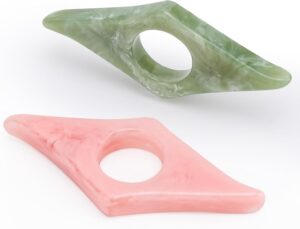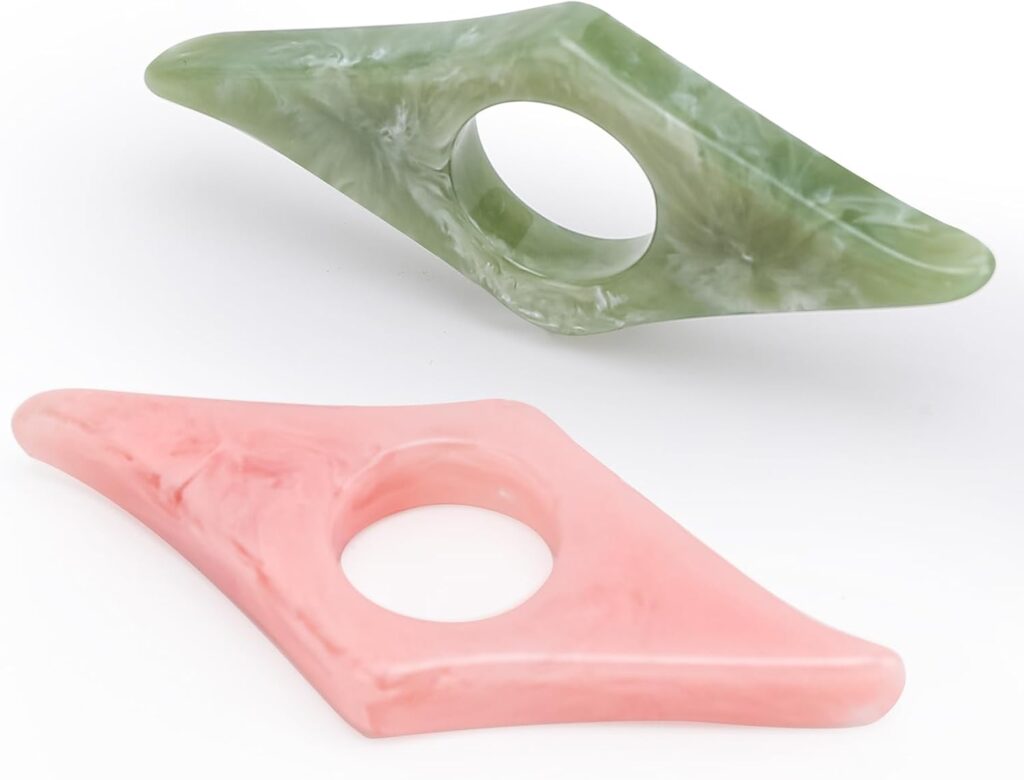
Worn on the thumb, it holds the page open so the other hand stays free.
🔍 WorthSnag’s commitment to transparency: We only recommend products we’ve researched through verified customer reviews, return rate analysis, and brand reputation checks. No paid placements. Our picks are based on real buyer feedback, not commissions.
📖 A book holder is a stand that props a book open at a comfortable angle so you can read hands-free, while a page turner is a small tool that flips individual pages for you — both exist because holding a book open and turning its pages actually takes more grip strength and dexterity than most people realize until it hurts to do.
📖 Part of our Home & Kitchen series. Explore more top-rated adaptive daily living finds, including our guides to needle threaders for arthritis and low vision and key turners for weak hands and arthritis.
📖 Ready for easier reading? Shop the best book holders and page turners on Amazon →
Holding a book open sounds like the least physical activity imaginable, right up until your hands can’t manage it anymore. Keeping the spine cracked wide, applying steady pressure so the pages don’t snap shut, flipping each page with a precise pinch — that’s a lot of sustained fine motor work for something people associate with sitting still and relaxing.
For anyone with arthritis, tremor, or reduced grip strength from another condition, this is often the quiet reason a favorite hobby gets abandoned. Not because reading itself got harder, but because holding the object got harder. A book holder removes the “holding it open” problem entirely; a page turner removes the “flipping each page” problem specifically.
Here’s what I’m covering below:
- Five book holders and page turners worth buying, and where they solve genuinely different parts of the reading problem
- Who else benefits from these tools beyond arthritis specifically
- What to actually check before buying, since book size and thickness matter more than most listings make clear
I went through reviews from arthritis and Parkinson’s community forums, plus a good number of complaints about holders too flimsy for hardcovers, to see which options actually held up under real use. Here’s what stood out. 👇
Quick Comparison: Best Book Holders and Page Turners for Arthritis and Limited Mobility
| Pick | Best For | Type | Price |
|---|---|---|---|
| Maddak Roberts Book Holder | Best Overall | Adjustable stand, elastic page bands | ~$25–$35 |
| Fellowes Wire Book Stand | Best Budget Pick | Simple wire stand | ~$10–$15 |
| Thumb Book Page Holder | Best for Active One-Handed Reading | Worn on the thumb | ~$8–$12 |
| PageFlip Cobra | Best for Severe Mobility Limits | Electronic, hands-free page turning | ~$150–$200 |
| Book Pillow / Lap Desk Holder | Best for Reading in Bed | Weighted cushion stand | ~$20–$30 |
Book Holder vs. Page Turner: Two Different Problems
These tools solve two related but genuinely separate parts of reading:
- Book holders (stands, wire frames, pillow-style holders) solve the problem of keeping a book open and propped at a readable angle without your hands doing that work continuously. Great for anyone whose main struggle is sustained gripping, not page-by-page dexterity.
- Page turners solve the problem of the actual flipping motion — a pinch-and-slide movement that arthritis and tremor both make difficult. A thumb-worn page holder or an electronic device like PageFlip handles this specifically.
Some situations call for one, some for both. If gripping a book open for an hour is the hard part, a holder alone solves it. If the holder helps but each page turn is still a struggle, pairing it with a page-turning tool addresses the rest.
The 5 Best Book Holders and Page Turners for Arthritis and Limited Mobility
1. Maddak Roberts Book Holder — Best Overall
Price: Around $25–$35 | Type: Adjustable stand with elastic page bands | Fits: Most paperback and hardcover books
This is the one that shows up most consistently in occupational therapy recommendations, not just general product reviews. The elastic bands hold pages open on both sides at once, and the stand angle adjusts, so it works whether you’re propped up in bed or sitting at a table.
Why it’s a top pick: Built with genuine input from rehab and OT use cases, not just a general reading accessory repurposed for this audience.
Best for: Anyone who wants one reliable holder that adapts to different reading positions.
Check price on Amazon →
2. Fellowes Wire Book Stand — Best Budget Pick
Price: Around $10–$15 | Type: Simple wire stand | Fits: Most standard books
No elastic bands, no adjustable angle — just a wire frame that props a book open at a fixed incline. It’s the simplest option on this list, and for anyone who mainly needs the book to stay upright rather than actively hands-free, that simplicity is the whole appeal.
Why it’s a top pick: Does the core job at a fraction of the price of more elaborate holders.
Best for: Anyone who wants to try the concept of a book stand before spending more.
Check price on Amazon →
3. Thumb Book Page Holder — Best for Active One-Handed Reading
Price: Around $8–$12 | Type: Worn on the thumb | Fits: Most books
This one skips the stand idea entirely — instead, a small ring or clip worn on the thumb holds the current page open so the book can be held in one hand while the other hand stays free for a cup of tea, a cane, or anything else. It’s less about grip strength and more about needing an actually free hand.
Why it’s a top pick: Solves a different problem than the stand-style holders — freeing a hand rather than eliminating the need to hold the book at all.
Best for: Anyone who wants to read one-handed while still holding the book, not propped on a surface.
Check price on Amazon →
4. PageFlip Cobra — Best for Severe Mobility Limits
Price: Around $150–$200 | Type: Electronic, hands-free page turning | Control: Remote, switch, or foot pedal options
A genuinely different category of tool — this one physically turns individual pages for you at the press of a button or pedal, no hand motion involved at all. It’s a real investment, but for people with ALS, severe Parkinson’s, or spinal cord injuries where even a page-turner ring isn’t manageable, it’s often the only option that keeps independent reading possible.
Why it’s a top pick: The only tool on this list that removes the page-turning motion entirely, not just makes it easier.
Best for: Severe mobility or dexterity limitations where manual page turning of any kind isn’t realistic.
Check price on Amazon →
5. Book Pillow / Lap Desk Holder — Best for Reading in Bed
Price: Around $20–$30 | Type: Weighted cushion stand | Fits: Most books, tablets
Less rigid than a wire or plastic stand, this sits comfortably on a lap or bed and holds the book at a gentle angle using soft, weighted support rather than a hard frame. If most of your reading happens propped up in bed or on a couch, this is more comfortable for longer sessions than a hard-edged stand.
Why it’s a top pick: Genuinely more comfortable for extended reading sessions than any rigid stand on this list.
Best for: Anyone who reads primarily in bed or reclined, where comfort matters as much as function.
Check price on Amazon →
Who Else Benefits From These Tools
Arthritis brings most people here, but the same tools help several other situations:
- Parkinson’s and essential tremor: a stand removes the need to hold a book steady against involuntary shaking, and a page-turner ring needs less precision than pinching a page directly.
- Carpal tunnel syndrome and tendonitis: sustained gripping is exactly what aggravates these conditions, and a stand eliminates that sustained hold entirely.
- Post-surgery or injury recovery: temporary limits on hand or wrist strength after surgery don’t have to mean giving up reading for weeks.
- ALS, spinal cord injuries, and severe mobility conditions: electronic options like PageFlip extend independent reading to people for whom even a lightweight tool isn’t manageable.
- Anyone reading while eating, knitting, or multitasking: a hands-free stand is genuinely useful even without any hand condition at all.
How to Choose the Right Book Holder or Page Turner
- Match the tool to the actual struggle. If holding the book open is the hard part, get a stand. If turning pages specifically is the hard part even with a stand, add a thumb-style page holder.
- Check book size and thickness compatibility. Some stands handle thin paperbacks well but struggle with thick hardcovers — check a product’s stated capacity before assuming universal fit.
- Consider where you actually read. A rigid stand suits a table or desk; a pillow-style holder suits bed or a couch; a thumb ring suits reading while out and about.
- Don’t rule out the electronic option too quickly if manual tools aren’t cutting it. PageFlip costs more, but for severe mobility limitations, it’s often the difference between reading independently and not reading at all.
Frequently Asked Questions
How does a book holder actually help with arthritis?
A book holder props the book open at a stable angle using an external stand, elastic bands, or a cushioned base, removing the need to grip and hold the book open with your hands. This eliminates the sustained gripping motion that causes joint strain during longer reading sessions.
What’s the difference between a book holder and a page turner?
A book holder keeps the book open and stable so your hands don’t have to hold it, while a page turner specifically assists with the motion of flipping from one page to the next. Some readers only need one or the other; some benefit from using both together.
Are electronic page turners like PageFlip worth the cost?
For people with significant mobility or dexterity limitations, such as ALS, advanced Parkinson’s, or spinal cord injuries, yes, since they remove the page-turning motion entirely rather than just making it easier. For milder grip or dexterity challenges, a manual stand or thumb-style page holder is usually sufficient at a much lower cost.
Can these tools work with e-readers and tablets, not just physical books?
Some book holder and lap-desk-style stands are designed to accommodate tablets and e-readers as well as physical books, though thumb-style page holders and mechanical page turners are specifically built for paper pages and won’t work with a digital device.
Is a book holder a good gift for someone with Parkinson’s or arthritis?
Yes, particularly for anyone who’s mentioned giving up reading due to hand fatigue or tremor, since it’s an inexpensive way to restore an activity they may have quietly stopped enjoying. It requires no explanation or setup beyond placing the book in the stand.
Final Thoughts
Reading shouldn’t require more physical effort than it’s worth. Any of these five book holders and page turners for arthritis and limited mobility address a different piece of the same problem — keeping the book open, turning the pages, or both — and the right pick depends on which part of the process is actually giving you trouble.
If you’re not sure where your struggle really is, start with the Fellowes wire stand — it’s cheap enough to test whether a holder alone solves the problem before considering anything more specialized.
For general guidance on managing daily activities with arthritis, the Arthritis Foundation is a solid, non-commercial resource beyond just product recommendations.
📖 Ready for easier reading? Shop the best book holders and page turners on Amazon →